
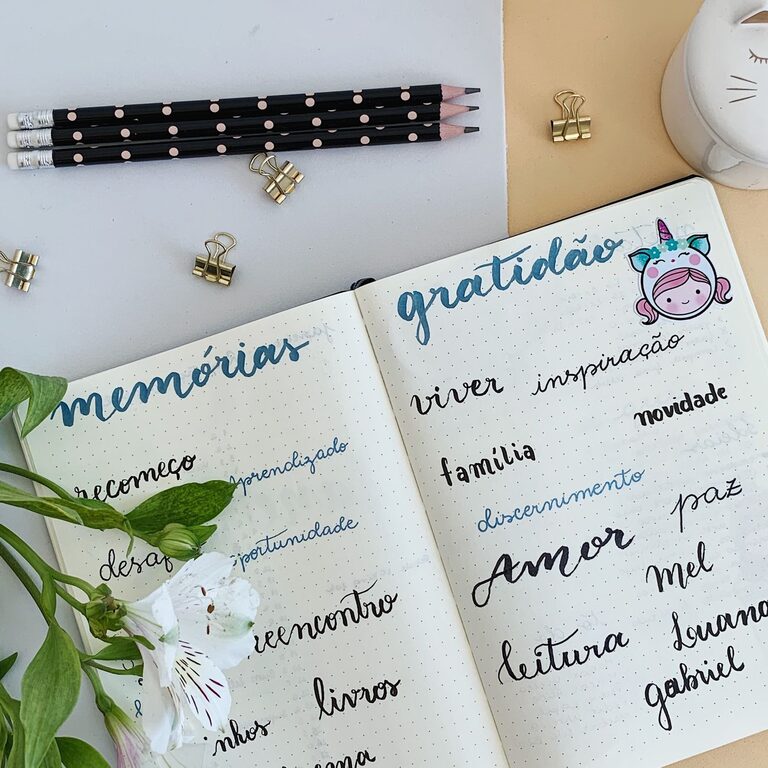
Gratitude journaling is a simple yet powerful practice that can help boost your mood, improve your outlook on life, and increase overall well-being. By regularly writing down things you’re thankful for, you train your mind to focus on the positive, even during challenging times. If you’re interested in starting a gratitude journal but aren’t sure where to begin, this guide will walk you through everything you need to know to make it a meaningful habit.
What Is a Gratitude Journal?
A gratitude journal is a personal diary where you regularly record things, people, or moments that you appreciate. Unlike a regular journal, which may capture a wide range of thoughts and experiences, a gratitude journal specifically focuses on highlighting positive aspects of your life. This practice encourages reflection on what’s going well, helping you develop a more optimistic mindset.
Benefits of Keeping a Gratitude Journal
Before diving into how to start, it helps to understand why gratitude journaling is worth your time. Some key benefits include:
– Improved mood: Focusing on positive experiences can reduce feelings of stress and anxiety.
– Better sleep: Reflecting on gratitude before bed may promote more restful sleep.
– Stronger relationships: Recognizing and appreciating others can help deepen connections.
– Increased resilience: Gratitude helps you cope better with setbacks and challenges.
– Greater mindfulness: Writing daily encourages you to be more present and aware.
How to Choose Your Journal
The first step is to pick the right journal that suits your style and preferences. Here are some options to consider:
– Physical notebook: Choose a simple lined or blank notebook you enjoy writing in. It could be plain or decorative.
– Pre-made gratitude journals: Available at bookstores and online, these often have prompts or structured pages.
– Digital journaling apps: If you prefer typing or want reminders, apps like Day One or Evernote work well.
– Simple notes: Even a dedicated note on your phone’s memo app can be effective.
The key is to select a medium that feels comfortable and convenient for you, making it easier to stick with the habit.
Setting Up Your Gratitude Practice
Once you have your journal, follow these steps to get started:
1. Pick a Regular Time
Consistency helps build habits. Choose a time of day when you can write without distractions. Common times include:
– Morning, to start your day with positivity
– Evening, to reflect before bedtime
– During lunch breaks or quiet moments
Use phone reminders or calendar alerts if needed.
2. Start Small and Be Realistic
You don’t need to write long entries. Even listing 3-5 things you’re grateful for each day is enough to make a difference. Keep your entries short and simple if that feels easier.
3. Focus on Specifics
Instead of vague generalities like “I’m grateful for my family,” try to be more detailed, such as:
– “I’m grateful for my sister’s supportive phone call today.”
– “I appreciated the warm cup of coffee this morning.”
Specific entries often feel more meaningful and real.
4. Include Different Types of Gratitude
Try to notice a variety of things, including:
– People in your life
– Experiences or moments
– Personal qualities or achievements
– Nature or surroundings
– Opportunities or comforts
This variety keeps your practice fresh.
5. Don’t Worry About Perfection
Your journal is for you alone, so there’s no need to write perfectly or meet any standards. The most important thing is honesty and consistency.
Ideas to Keep Your Gratitude Journal Interesting
Keeping your gratitude journaling engaging can help prevent it from feeling like a chore. Here are some ideas:
Use Prompts
If you get stuck, prompts can inspire your writing, such as:
– What made me smile today?
– Who helped me this week?
– What is something beautiful I noticed recently?
Add Visuals
Include drawings, photos, or memorabilia to make your journal more personal and creative.
Reflect on Challenges
Write about lessons learned or silver linings from difficult situations to deepen your gratitude.
Express Gratitude to Others
Occasionally write entries that you plan to share, like thank-you notes or messages of appreciation.
Tips for Staying Motivated
Building a new habit takes time. Here are some tips to keep going:
– Keep your journal somewhere visible.
– Pair journaling with an existing habit like morning coffee.
– Celebrate milestones, like one week or one month of journaling.
– Share your progress with a friend or support group.
– Be patient and gentle with yourself if you skip a day.
Final Thoughts
Starting a gratitude journal doesn’t require special skills or lots of time. By simply taking a few minutes each day to note what you appreciate, you can shift your mindset toward positivity and improve your overall well-being. Remember, the goal is progress, not perfection. Give it a try and see how this rewarding practice can brighten your life.