
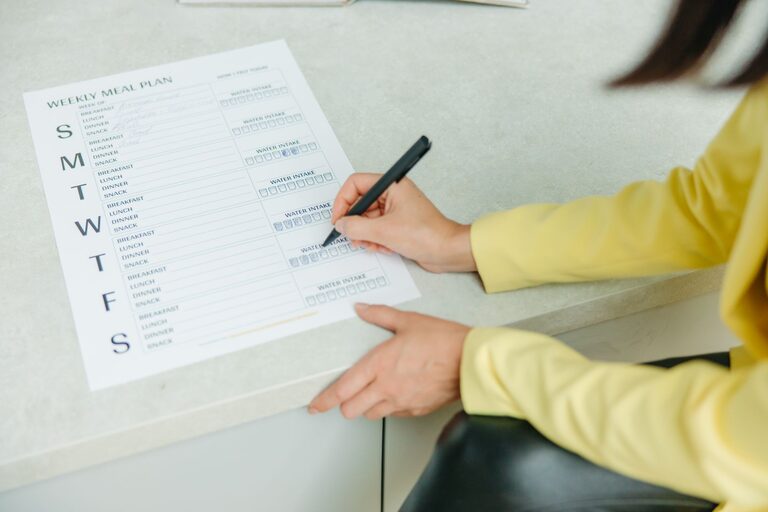
Creating a weekly meal plan can make your life easier, healthier, and more organized. Instead of wondering what to cook every day, having a plan helps you save time, reduce food waste, and enjoy balanced meals. If you’re new to meal planning or looking for a straightforward approach, this guide will walk you through how to create a simple weekly meal plan that works for you.
Why Create a Weekly Meal Plan?
Before diving in, it’s good to understand the benefits of meal planning. Here’s why many people find it useful:
– Saves time: Planning meals in advance means fewer last-minute trips to the grocery store.
– Reduces stress: Knowing what’s for dinner removes daily decision fatigue.
– Helps with budgeting: Buying only what you need cuts down on impulse purchases.
– Promotes healthier eating: Planning helps you include balanced meals with fruits, vegetables, protein, and grains.
– Minimizes food waste: Using ingredients efficiently means less leftover food thrown away.
Step 1: Choose Your Planning Method
First, decide how you want to plan your meals. Options include:
– Paper planner or notebook: Write down your meals and shopping list by hand.
– Printable meal planner templates: Find free templates online to fill in.
– Digital tools: Use apps or spreadsheets that let you plan and organize recipes.
– Whiteboard or chalkboard: Great for quick, visible weekly reminders.
Pick a method that fits your lifestyle and that you’ll stick with consistently.
Step 2: Assess Your Week
Take a look at your upcoming week and think about:
– How many meals do you need to plan? Include lunches, dinners, and any breakfasts if you want.
– Your schedule: Are there busy days where quick meals are best? Or days with more time to cook?
– Any planned events: Eating out, social gatherings, or leftovers nights.
Knowing this helps you tailor your meal plan realistically.
Step 3: Gather Recipe Ideas
Collect a list of simple, go-to recipes that you enjoy. Balance is key, so aim to include:
– Proteins: chicken, fish, beans, tofu, eggs
– Vegetables: fresh, roasted, steamed, or in salads
– Grains and starches: rice, pasta, potatoes, quinoa
– Fruits: for snacks or dessert
Make sure recipes are easy and don’t require too many complicated ingredients or steps if you want to keep things simple.
Step 4: Create Your Meal Plan Template
Lay out your week in a grid or list with days of the week and meal slots (e.g., dinner). For example:
| Day | Dinner Idea |
|———–|———————–|
| Monday | Grilled chicken salad |
| Tuesday | Pasta with marinara |
| Wednesday | Stir-fried tofu |
| Thursday | Tacos with beans |
| Friday | Homemade pizza |
| Saturday | Soup and sandwiches |
| Sunday | Roast with veggies |
You can add lunches or breakfasts as needed.
Step 5: Plan Your Grocery List
Based on your meals, write down ingredients you’ll need. Organize your list by sections of the store for easier shopping:
– Produce
– Meat and dairy
– Pantry staples
– Frozen foods
– Other items
Check your pantry first to avoid buying duplicates.
Step 6: Prep Ahead Where Possible
To save time during the week, consider prepping some ingredients in advance, such as:
– Washing and chopping vegetables
– Cooking grains or proteins ahead
– Making sauces or dressings
This can make cooking faster and less stressful.
Extra Tips for Successful Meal Planning
– Be flexible: If plans change, swap meals around or use leftovers creatively.
– Batch cook: Prepare double portions to have meals ready on busy days.
– Involve the family: Let everyone pick a meal once a week to increase enjoyment.
– Keep a rotation: Repeat favorite meals every few weeks to make planning quicker.
– Use seasonal produce: It’s often fresher, tastier, and more affordable.
Sample Simple Weekly Meal Plan
Here’s a quick example to get you started:
| Day | Dinner |
|———–|————————|
| Monday | Baked salmon with asparagus and rice |
| Tuesday | Chicken stir-fry with mixed vegetables|
| Wednesday | Spaghetti with marinara sauce and salad|
| Thursday | Veggie tacos with black beans and corn |
| Friday | Homemade veggie pizza |
| Saturday | Beef or bean chili with bread |
| Sunday | Roast chicken with potatoes and green beans |
Conclusion
Creating a simple weekly meal plan doesn’t have to be complicated. By choosing your method, assessing your schedule, gathering easy recipes, and prepping ahead, you can make mealtime smoother and more enjoyable. Give it a try this week, and you may find meal planning to be a helpful tool that saves time and promotes healthy eating habits.
Happy cooking!