Keeping dinner cleanup manageable can transform your kitchen experience from stressful to enjoyable. Whether you’re cooking for yourself, a family, or guests, having a plan in place to handle the post-meal mess saves time and energy. Here are practical ideas and habits to make your dinner cleanup quicker and simpler.
Prepare Ahead to Minimize Mess
Use Mise en Place
Mise en place, a French cooking term meaning “everything in its place,” involves preparing and measuring all your ingredients before you start cooking. This technique keeps your workspace organized and reduces spills and clutter.
– Measure spices, chop vegetables, and portion sauces beforehand.
– Use small bowls or containers to hold prepped ingredients.
– Clean as you go by washing cutting boards or utensils after use.
Line Baking Sheets and Pans
If your meal involves baking or roasting, line pans with parchment paper or aluminum foil. This prevents food from sticking and makes cleanup as simple as tossing the liner.
Keep a Trash Bowl Nearby
Place a medium-sized bowl on the counter to collect scraps and packaging while cooking. This keeps the sink and countertop clear and reduces trips to the trash can.
Optimize Dishwashing
Soak Pots and Pans Immediately
Fill pots and pans with hot water as soon as you’re done using them. Letting them soak softens residue and prevents food from hardening, making washing easier later.
Load the Dishwasher Efficiently
Arrange dishes in the dishwasher to maximize space and ensure everything gets clean in one run.
– Place plates and bowls facing the center.
– Position utensils with handles down and mix types to avoid nesting.
– Don’t overcrowd to allow water flow.
Wash Larger Items First
If you wash dishes by hand, start with glasses and utensils, then move to plates and bowls, and finish with greasy pots and pans. This keeps your wash water cleaner longer.
Implement Smart Storage and Cleanup Habits
Use Multi-Functional Tools
Choose kitchen tools that can perform several tasks, reducing the number of items to clean. For example, a food processor can chop, mix, and puree.
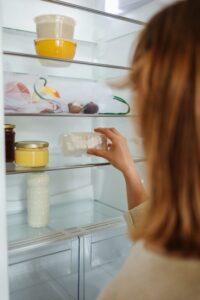
Store Leftovers in Stackable Containers
Use containers that stack neatly in the fridge and dishwasher. This organization simplifies storing and cleaning.
Clean as You Go
Make it a habit to wipe counters, stove tops, and splash backs right after cooking. This prevents stains and sticky spots from settling.
Make Cleanup a Shared Activity
Delegate Tasks
If you cook with family or friends, assign simple cleanup tasks to each person, such as clearing the table or rinsing dishes. This spreads the workload and speeds up the process.
Play Music or Podcasts
Listening to something enjoyable can make cleanup feel less like a chore and more like a relaxing activity.
Use Time-Saving Kitchen Gadgets
Invest in a Dish Rack with Drainboard
A good dish rack lets dishes air dry faster and keeps your countertop tidy.
Consider a Garbage Disposal
If your kitchen doesn’t have one, a garbage disposal can reduce leftover scraps and make sink cleanup faster.
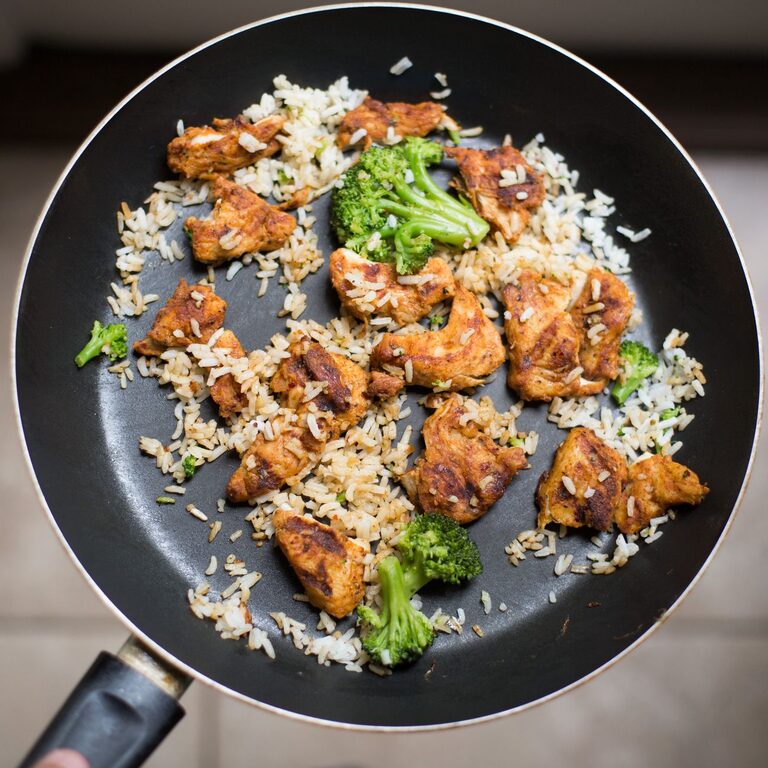
Use Non-Stick Cookware
Non-stick pans often require less scrubbing, helping reduce cleanup time.
Maintain Your Kitchen Regularly
Deep Clean Appliances Monthly
Regularly clean your oven, microwave, and dishwasher to keep them working efficiently and avoid buildup that complicates cleaning.
Keep Cleaning Supplies Handy
Store dish soap, scrubbers, and towels within easy reach. Having supplies handy encourages quick cleanup.
—
Summary Checklist for Easier Dinner Cleanup
– Prepare ingredients ahead and use a trash bowl
– Line pans and soak cookware immediately
– Load dishwasher efficiently
– Clean counters and stove as you cook
– Share cleanup tasks with others
– Use multipurpose tools and stackable containers
– Invest in helpful gadgets
– Maintain your kitchen regularly
By incorporating these simple strategies into your routine, dinner cleanup won’t feel like a dreaded task anymore. With a little planning and the right habits, your kitchen stays cleaner and you get more time to enjoy your meal and your evening.